
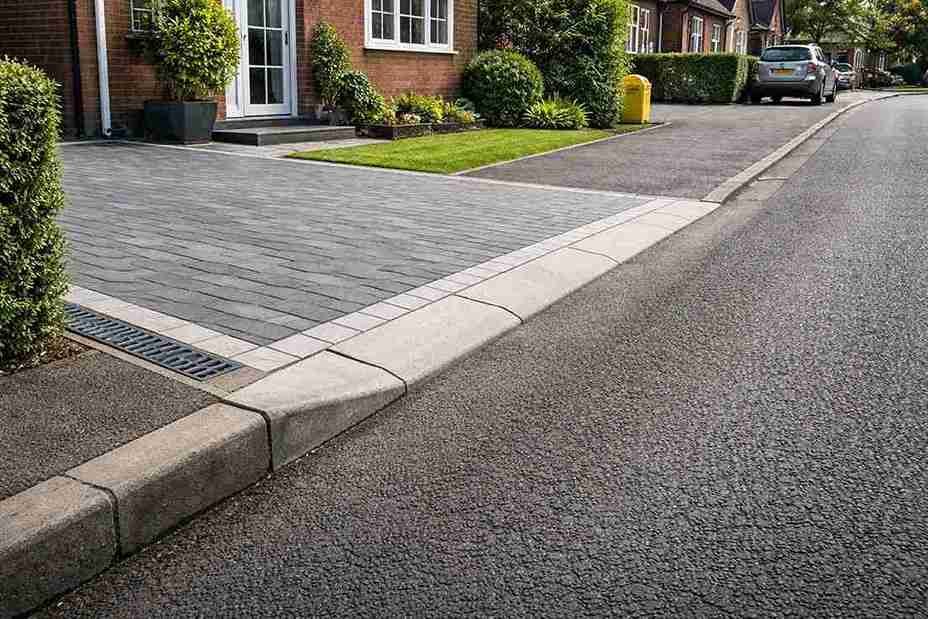
A dropped kerb is one of those things you only notice when it goes wrong. Cracks appear. The edge sinks—water pools where it never used to. And suddenly, what felt like a simple driveway upgrade becomes a long-term headache. If you’re considering a dropped kerb in Durham, or already have one, the obvious question is how long it should actually last. The honest answer is this. A properly installed dropped kerb in Durham typically lasts between 20 and 30 years. Some last longer. Others fail much sooner. The difference is rarely luck.
Why Dropped Kerb Lifespan Varies So Much
All dropped kerbs look similar on the surface, but their lifespan is decided underground and during planning, not on installation day alone. In Durham, lifespan is influenced by three main factors. Installation quality, compliance with UK standards, and how well the kerb suits its location. When any of those are compromised, problems show up early. I’ve seen kerbs fail in under five years where shortcuts were taken. I’ve also inspected kerbs over 30 years old that still perform perfectly because they were built correctly from day one.
The Role of Professional Dropped Kerb Installation in Durham
Professional installation is the single biggest predictor of how long a dropped kerb lasts. A professional approach includes proper excavation, a deep and well-compacted sub-base, reinforced concrete where required, and controlled curing before reopening access. These steps are not optional if longevity matters. Non-professional installs often cut corners on base depth or reopen the kerb too early. In Durham’s damp conditions, that almost guarantees premature movement or cracking. At Driveways Durham, we’ve rebuilt dropped kerbs that looked fine visually but failed because the base beneath was never designed to carry vehicle weight long term.
Dropped Kerb Standards UK and Why They Matter
Dropped kerb lifespan is directly tied to Dropped Kerb Standards UK. These standards exist to ensure kerbs can handle repeated loading, weather exposure, and public use. They cover things like kerb alignment, concrete strength, gradient tolerances, and sub-base depth. When these standards are followed, kerbs perform consistently for decades. When they’re ignored, failure is only a matter of time. Councils inspect work against these standards, not against appearance. A neat-looking kerb that fails structurally will still be classed as non-compliant.
Dropped Kerb Planning Permission and Its Impact on Longevity
It might not seem obvious, but Dropped Kerb Planning Permission plays a role in lifespan. When permission is granted, the council assesses visibility, drainage, and pavement width. These checks prevent kerbs from being installed in locations that experience excessive stress, water runoff, or vehicle conflict. In Durham, the highway authority is the Durham County Council. Kerbs installed without approval are often positioned poorly, which accelerates wear and increases the risk of enforcement or removal.
How Traffic and Usage Affect a Dropped Kerb in Durham
A dropped kerb designed for standard car use will last longer than one subjected to heavier vehicles. Repeated use by vans or delivery vehicles increases stress on the edge and base. Turning wheels while stationary is another overlooked factor. This creates a lateral force that gradually loosens kerbs if the base is not strong enough. Professional installers design with this in mind, especially on narrower Durham streets where turning angles are tighter.
Weather Conditions and Their Long-Term Effect
Durham’s climate plays a quiet but important role in dropped kerb lifespan. Frequent rain increases the risk of water ingress if drainage is poor. Freeze-thaw cycles in winter can widen micro-cracks if the concrete quality or curing was rushed. A safely installed dropped kerb manages water properly and resists these seasonal stresses. Poor installs trap moisture, which accelerates deterioration year after year.
Dropped Kerb Benefits When Installed Correctly
When built properly, a dropped kerb delivers long-term benefits that extend beyond access. It protects pavement integrity, reduces trip hazards, improves vehicle entry angles, and maintains compliance with highway regulations. From a property perspective, it also avoids disputes during surveys or sales, which can happen when kerbs are poorly documented or non-compliant.
Signs a Dropped Kerb Is Nearing the End of Its Life
Common signs include repeated sinking in the same area, widening cracks, loose kerb stones, and water pooling at the base. When these appear early in the kerb’s life, it usually points to installation issues rather than age. A kerb approaching 25 or 30 years old, showing gradual wear, is normal. A five-year-old kerb doing the same is not.
So, How Long Should You Expect Yours to Last?
A professionally installed dropped kerb in Durham should last 20 to 30 years with minimal intervention. Some exceed that lifespan when drainage and usage are favourable. Kerbs that fail within a decade almost always suffer from poor groundwork or non-compliance.
Final Thoughts
A dropped kerb is not a cosmetic feature. It’s a structural element of the public highway. Treating it as such is what separates installations that last decades from those that become problems. Contact us if you’re planning a dropped kerb in Durham, focus less on speed and cost, and more on standards, permission, and professional installation. That decision determines whether you revisit the kerb in five years or forget about it for thirty. If you want honest advice on dropped kerb lifespan, compliance, or installation in Durham, speak to Driveways Durham. We’ll tell you what will last, what won’t, and why before any work begins.
Frequently Asked Questions (FAQs)
How long does a dropped kerb in Durham usually last?
A properly installed dropped kerb in Durham typically lasts between 20 and 30 years. Lifespan depends on installation quality, compliance with UK standards, drainage, and how heavily it is used.
What causes a dropped kerb to fail early?
Early failure is usually caused by poor groundwork, shallow sub-base depth, rushed concrete curing, or incorrect positioning. In Durham, poor drainage and frequent rain can accelerate these problems if standards are not followed.
Does planning permission affect dropped kerb lifespan?
Yes. Planning permission ensures the kerb is positioned safely with proper drainage and visibility. Kerbs installed without approval are often poorly located, which increases stress and shortens their lifespan.
Can a damaged dropped kerb be repaired, or does it need replacing?
Minor issues like small cracks or localised sinking can often be repaired. Widespread movement, repeated sinking, or base failure usually means the kerb needs to be fully rebuilt rather than patched.
Does professional installation really make a difference?
Yes. Professional dropped kerb installation ensures correct base preparation, concrete strength, and compliance with UK standards. Kerbs installed professionally last significantly longer than those built with shortcuts.


