
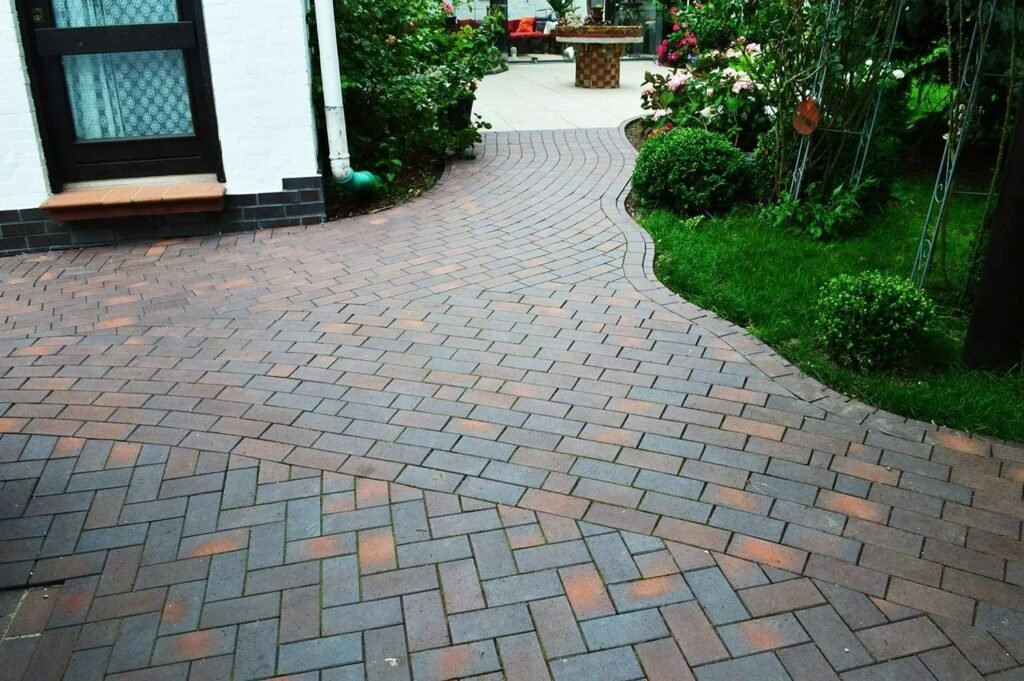
Resin bound driveways are an increasingly popular choice for homeowners looking for a durable, attractive, and low-maintenance solution. They are made from natural aggregates bound together with a resin, providing a smooth, visually appealing surface for driveways and pathways. However, like any outdoor surface, resin bound driveways can experience various problems over time. While these issues can typically be avoided with proper installation and maintenance, it’s important to know what to look out for. In this article, we will explore some of the most common problems with Resin Bound Driveways in Durham, how to prevent them, and what can be done to resolve them if they occur.
1. Discolouration and Fading
One of the most common issues homeowners face with resin bound driveways is discolouration or fading. Over time, the resin can lose its initial vibrancy due to exposure to UV rays from the sun. Lighter-coloured driveways are particularly vulnerable to this issue. UV degradation can lead to a yellowish or dull appearance, making the surface look aged and worn.
Prevention: To avoid fading, it’s crucial to use a high-quality UV-stable resin during installation. This will help prevent the resin from yellowing or becoming discoloured when exposed to sunlight. Regular cleaning and resealing can also help maintain the original look and colour of the driveway.
2. Cracking and Surface Damage
While resin bound driveways are generally known for their durability, they can still be prone to cracking, especially if the installation process was not done correctly. Cracking is usually caused by temperature fluctuations, heavy vehicle loads, or poor base preparation. In some cases, the cracks may be small and cosmetic, but in other instances, they can worsen and compromise the integrity of the surface.
Prevention: Proper installation is key to preventing cracking. The base layer must be adequately prepared to ensure proper drainage, and the resin must be applied correctly to avoid weak spots. Regular maintenance, such as resealing the surface every few years, can also help to preserve the integrity of the resin bound driveway.
3. Poor Drainage and Puddling
Another problem homeowners may encounter is poor drainage, leading to puddling or standing water on the surface. Resin bound driveways are designed to allow water to pass through the surface, but if the installation is not carried out properly, drainage issues can occur. This is often caused by an improper base or insufficiently compacted subgrade, which can prevent water from draining away effectively.
Prevention: When installing a resin bound driveway, it is essential to ensure that the base layer is level, stable, and properly compacted. Additionally, proper planning for drainage systems, such as the installation of channels or soakaways, will help the water flow freely away from the driveway and prevent puddling.
4. Weed Growth
Weed growth is a common issue in any driveway, and resin bound surfaces are no exception. While the design of resin bound driveways reduces the likelihood of weeds growing through the surface, they can still appear in the joints or around the edges. Weeds can break through the surface if the resin was not applied thickly enough or if the surface was not sealed properly during installation.
Prevention: To prevent weed growth, ensure that the surface is well-sealed and that any gaps or joints are filled with resin during the installation process. Regular cleaning can also help to remove debris that can encourage weed growth. If you notice weeds starting to grow, removing them as soon as possible will help to prevent them from spreading.
5. Resin Shrinkage and Loosening
In some cases, the resin bound surface may experience shrinkage or loosening over time, leading to uneven areas or loose stones. This issue can occur if the resin was not mixed or applied correctly during the installation process or if it wasn’t allowed to cure properly before being exposed to heavy foot traffic or vehicle weight.
Prevention: Proper mixing and application are crucial to preventing resin shrinkage. It’s also important to ensure that the driveway is left to cure fully before use. Follow the manufacturer’s guidelines regarding curing time, and avoid driving or walking on the driveway until it is fully set.
You May Also Read: How to Identify The Need for Tarmac Repairs in Durham?
6. How Long Before Resin Can Get Wet?
A common question homeowners ask after installing a resin bound driveway is, “how long before resin can get wet?” This is an important consideration as exposure to moisture before the resin is fully cured can affect the quality of the installation. Typically, it takes around 24 to 48 hours for the resin to cure fully, depending on the weather conditions. During this time, it’s best to avoid any contact with water to ensure that the surface sets correctly.
Solution: To prevent issues, it’s best to allow the resin bound driveway to cure undisturbed for at least 48 hours before exposing it to rain or other moisture. If you are unsure, contact your installer or refer to the product’s specifications for more accurate curing times.
7. Can You Repair a Resin Bound Driveway?
While resin bound driveways are generally durable, accidents or wear and tear can cause damage. If cracks, stains, or other issues appear, many homeowners wonder, “Can you repair a resin bound driveway?” The answer is yes—minor damage can often be repaired. Small cracks can be filled, and if a section becomes loose or uneven, the damaged area can be resurfaced. However, extensive damage might require the affected area to be replaced entirely.
Solution: If your resin bound driveway is showing signs of damage, it’s best to consult a professional. If you’re located in the Durham area, Driveways Durham offers expert repair services for resin bound surfaces. They can assess the damage and carry out the necessary repairs to restore your driveway to its former glory.
Conclusion
Resin bound driveways are an excellent investment for homeowners seeking a visually appealing and long-lasting surface. However, as with any product, they can encounter problems over time. From discolouration and cracking to drainage issues and weed growth, understanding these common problems and how to address them is essential to maintaining the longevity of your driveway. Regular maintenance, proper installation, and timely repairs are key to keeping your resin bound driveway in top condition.
If you encounter any of these issues or need advice on installation or maintenance, don’t hesitate to contact professionals like Driveways Durham for expert assistance and service. A well-maintained resin bound driveway can last for many years, providing your home with an attractive and durable surface.


