
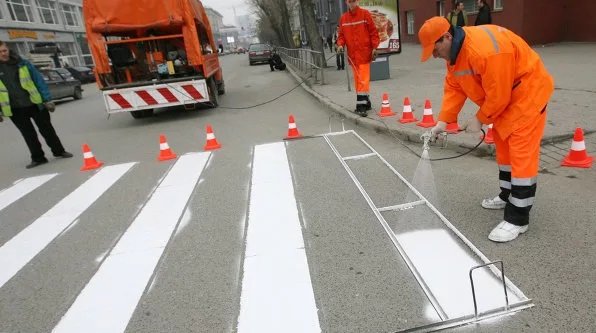
Car park line marking plays an important role in maintaining order, ensuring safety, and optimizing space in parking areas. Whether it’s a commercial car park, residential lot, or public parking space, clear and durable markings help guide drivers efficiently. The choice of paint is a key factor in determining the longevity, visibility, and effectiveness of these markings. In Car Park Line Marking County Durham, various types of paints are used for this purpose, each with its own set of advantages.
1. Thermoplastic Paint
Thermoplastic paint is one of the most popular choices for car park line marking due to its durability and reflective properties. It is composed of synthetic resin and glass beads, which enhance its visibility, even in low-light conditions. The application process involves heating the material to a high temperature and then applying it to the surface, where it cools and hardens quickly.
Advantages:
- Highly durable and resistant to heavy traffic
- Reflective properties improve visibility at night
- Fast drying, reducing downtime for the parking area
Best Use Cases:
- High-traffic car parks
- Roads and highways
- Areas requiring long-lasting markings
2. Acrylic Paint
Acrylic paint is a cost-effective and versatile option commonly used for car park line marking. It is water-based and dries relatively fast, making it suitable for both indoor and outdoor parking areas. While not as durable as thermoplastic, it provides good adhesion to concrete and asphalt surfaces.
Advantages:
- Quick drying time
- Environmentally friendly and low in volatile organic compounds (VOCs)
- Easy to apply and maintain
Best Use Cases:
- Temporary or low-traffic parking areas
- Indoor parking garages
- Private driveways
3. Epoxy Paint
Epoxy-based paints are known for their excellent adhesion and resistance to chemicals, making them ideal for Line Marking for Commercial Properties exposed to oil spills and harsh weather conditions. They create a hard-wearing surface that can withstand heavy traffic and abrasions.
Advantages:
- Long-lasting and highly durable
- Resistant to chemicals, oils, and weathering
- Available in various colours for customization
Best Use Cases:
- Industrial and commercial car parks
- Warehouse and factory parking areas
- Spaces requiring long-term marking solutions
4. Water-Based Paint
Water-based paints are an environmentally friendly alternative to solvent-based options. They are commonly used in locations where minimal environmental impact is a priority. While they may not be as long-lasting as epoxy or thermoplastic, they provide good visibility and are easy to apply.
Advantages:
- Low environmental impact
- Quick drying and easy to reapply
- Suitable for temporary markings
Best Use Cases:
- Temporary or event-based parking spaces
- Indoor parking areas
- Eco-conscious projects
5. Chlorinated Rubber Paint
Chlorinated rubber paint is a durable and flexible option that offers resistance to water, chemicals, and UV exposure. It is often used in areas where weather conditions can be harsh, ensuring the longevity of markings.
Advantages:
- Resistant to wear and tear
- Suitable for wet conditions
- Provides a smooth and visible finish
Best Use Cases:
- Coastal or wet areas
- Outdoor parking spaces
- Car parks exposed to extreme weather
Choosing the Right Paint for Car Park Line Marking
The best paint for car park line marking depends on several factors, including the type of surface, traffic volume, and environmental conditions. High-traffic areas benefit from durable options like thermoplastic or epoxy, while temporary solutions may require water-based or acrylic paints.
At Driveways Durham, we understand the importance of selecting the right materials for long-lasting and effective line-marking solutions. By choosing the appropriate paint, you can enhance safety, improve organization, and maintain a professional appearance in any parking space.
Conclusion
Selecting the right paint for car park line marking is essential for ensuring visibility, durability, and compliance with safety regulations. Thermoplastic and epoxy paints offer long-lasting solutions for high-traffic areas, while acrylic and water-based options are suitable for temporary or low-traffic spaces. By considering factors like traffic levels, weather exposure, and environmental impact, businesses and property owners can make informed decisions when choosing a line marking solution.
Frequently Asked Questions (FAQs)
How long does car park line marking paint last?
The lifespan depends on the type of paint used and the level of traffic in the area. Thermoplastic and epoxy paints can last several years, while acrylic and water-based paints may require reapplication within a year or two.
How long does it take for line marking paint to dry?
Drying times vary by paint type. Water-based and acrylic paints typically dry within 30 minutes to an hour, while thermoplastic markings set almost instantly. Epoxy paints may take up to 24 hours to fully cure.
Can line marking paint be applied in wet conditions?
Most paints require a dry surface for proper adhesion. Wet conditions can cause poor adhesion and reduce durability. It’s best to apply line marking paint in dry weather for optimal results.
Is car park line marking paint environmentally friendly?
Water-based and acrylic paints are eco-friendly options with low VOC emissions. Thermoplastic paint also has minimal environmental impact as it does not contain harmful solvents.
How often should car park lines be repainted?
Repainting frequency depends on traffic volume and environmental factors. High-traffic areas may need repainting every 1-2 years, while low-traffic car parks can go longer before requiring maintenance.


