
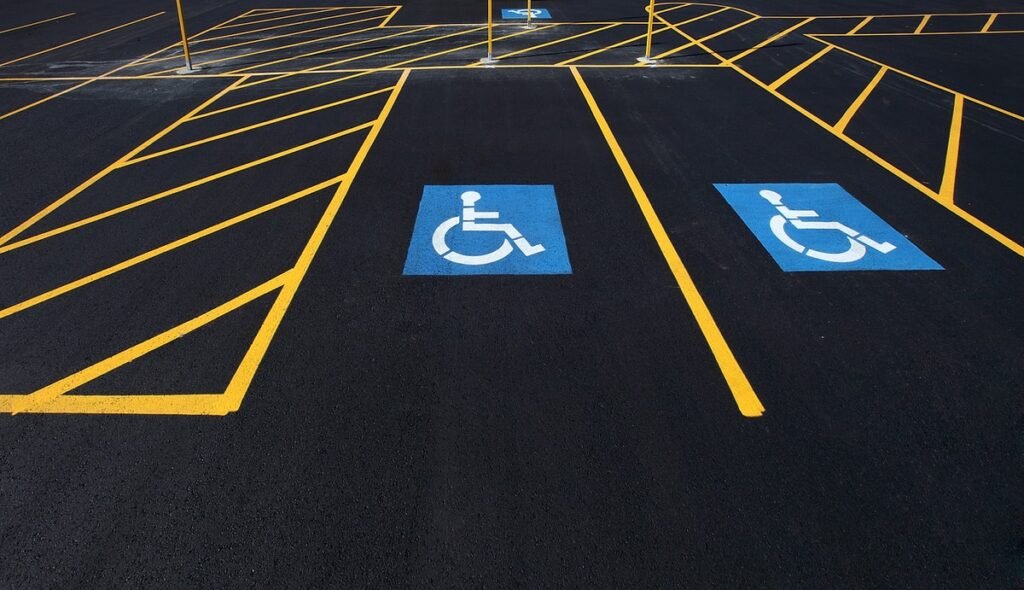
Commercial line marking ensures safety, efficiency, and compliance in various settings such as car parks, warehouses, and roads. Proper line marking enhances traffic flow, maximizes space utilization, and improves pedestrian and vehicle safety. However, choosing the best way to Commercial Line Marking in Durham requires careful planning, high-quality materials, and professional execution. This article will explore the best practices for commercial line marking and discuss key considerations to ensure durability and compliance.
Understanding Commercial Line Marking
Commercial line marking involves applying durable markings to surfaces such as asphalt or concrete to create clear guidance for vehicles and pedestrians. These markings include lane divisions, pedestrian crossings, parking bays, loading zones, and safety lines. The effectiveness of these markings depends on the quality of the materials used, proper surface preparation, and skilled application techniques.
Key Steps in Commercial Line Marking
Commercial line marking should follow a structured approach to achieve long-lasting and effective results. Here are the essential steps:
1. Site Assessment and Planning
Before any line marking work begins, a thorough site assessment is necessary. This step involves evaluating traffic patterns, identifying high-risk areas, and determining the optimal marking layout. Proper planning ensures compliance with regulations and maximizes safety.
2. Surface Preparation
A clean and well-prepared surface is critical for the longevity of line markings in road and car park surfacing. The surface should be free from dirt, grease, debris, and moisture. Pressure washing or mechanical sweeping may be required for a suitable application surface. In some cases, old markings must be removed to prevent overlapping and ensure visibility.
3. Choosing the Right Marking Materials
Selecting the appropriate marking material is crucial for durability. Common materials used in commercial line marking include:
- Thermoplastic Paint: Highly durable and ideal for high-traffic areas.
- Chlorinated Rubber Paint: Resistant to chemicals and commonly used in warehouses.
- Water-Based Acrylic Paint: Eco-friendly and suitable for low-traffic areas.
- Epoxy Coatings: High adhesion strength, making them ideal for factory floors and industrial settings.
The choice of material depends on factors such as surface type, expected wear and tear, and environmental conditions.
4. Accurate Application Techniques
Proper application techniques ensure precision and longevity. Professional line marking contractors in County Durham use advanced equipment such as airless sprayers, stencils, and lasers to achieve sharp and uniform lines. The application should be done under suitable weather conditions for proper curing.
5. Compliance with Safety Standards
Commercial line marking must adhere to local safety and accessibility regulations. This includes ensuring proper width, colour contrast, and placement of markings to facilitate safe movement for vehicles and pedestrians. Compliance with standards such as the Health and Safety Executive (HSE) guidelines helps prevent accidents and legal issues.
6. Regular Maintenance and Re-Marking
Line markings fade over time due to weather conditions, vehicle movement, and chemical exposure. Regular maintenance, including periodic re-marking, is necessary to keep the markings visible and effective. Inspections should be conducted to identify worn-out areas and plan for timely touch-ups.
Best Practices for Car Park Line Marking in County Durham
Car park line marking is essential for optimizing parking space and ensuring an organized flow of vehicles. The best approach includes:
- Maximizing space efficiency: Properly planned parking bays can accommodate more vehicles while maintaining accessibility.
- Using high-visibility colours: Bright yellow or white markings enhance visibility, especially in low-light conditions.
- Including accessibility markings: Marked disabled parking bays ensure compliance with legal requirements.
- Applying non-slip coatings: This enhances safety, especially in wet conditions.
By implementing these best practices, businesses can improve safety and convenience for customers and employees.
Finding Reliable Line Marking Contractors in County Durham
Choosing experienced line marking contractors ensures high-quality work and compliance with regulations. Professional contractors have the expertise, equipment, and materials to deliver durable markings that withstand heavy use. When selecting a contractor, consider:
- Experience and reputation: Look for companies with a proven track record.
- Material quality: Ensure they use high-quality, long-lasting paints.
- Customization options: Contractors should provide tailored solutions based on the site’s needs.
- Compliance assurance: Verify that they follow safety regulations and industry standards.
Why Choose Driveways Durham for Commercial Line Marking?
Driveways Durham provides expert commercial line marking services prioritizing durability, precision, and compliance. Whether you need road markings, parking lot lines, or warehouse safety markings, our team ensures top-quality results with industry-standard materials and advanced techniques. Our focus on customer satisfaction and adherence to safety guidelines makes us a trusted choice for businesses in County Durham.
Conclusion
Choosing the best commercial line marking method requires careful planning, high-quality materials, and expert application. Ensuring compliance with safety standards, selecting the right contractors, and performing regular maintenance are key to achieving durable and practical results. Professional services can enhance safety, efficiency, and aesthetics, whether you need car park line marking in County Durham or industrial safety markings. Investing in proper line marking not only improves the functionality of your space but also helps prevent accidents and ensures a well-organized environment.
Frequently Asked Questions (FAQs)
How long do commercial line markings last?
The longevity of line markings depends on the material used and the level of traffic exposure. Thermoplastic markings can last up to five years, while water-based paint may require re-marking within a year.
What is the best time of year for line marking?
Spring and summer are ideal seasons for line marking due to favorable weather conditions. Avoiding extreme cold or wet conditions helps ensure proper adhesion and durability.
How do I maintain commercial line markings?
Regular inspections, cleaning, and prompt re-marking of faded lines help maintain visibility and effectiveness. Using durable materials also extends the lifespan of markings.
What factors affect the cost of commercial line marking?
The cost depends on factors such as surface size, material choice, complexity of markings, and accessibility of the site. Customized designs and high-traffic areas may require additional investment.
Are there legal requirements for commercial line marking?
Yes, businesses must comply with local regulations for safety and accessibility. This includes proper signage, designated disabled parking spaces, and adherence to traffic management standards.


