
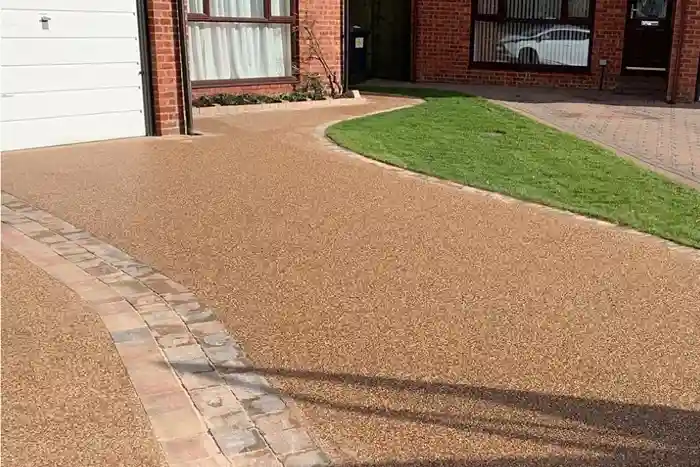
Durham’s weather is not easy on outdoor surfaces. Heavy rain, cold winters, and constant damp conditions can quickly wear down a poorly installed driveway. Many homeowners invest in new driveways only to face cracking, puddles, or surface damage within a few years. From real-world experience at Driveways Durham, the answer depends on how the material performs under pressure, not just how it looks on day one. Let’s take a closer look.
Understanding Durham’s Weather Challenges
Durham experiences a mix of persistent rain, cold temperatures, and seasonal frost. These conditions create ongoing stress for driveway materials, particularly those that trap water or lack flexibility. Water pooling is one of the biggest issues. When moisture sits on the surface and freezes, it expands and causes cracks. Over time, this leads to structural damage, uneven surfaces, and costly repairs.
What Are Resin Bound Driveways?
Resin bound driveways are created by mixing natural stone aggregates with a clear, UV-stable resin. This mixture is then applied to a prepared base, forming a smooth and seamless surface. The key feature is permeability. Water drains through the surface instead of collecting on top, which makes a significant difference in wet climates like Durham.
Why Resin Bound Driveways Perform Well in Durham
Resin bound driveways are designed to handle Durham’s frequent rain and damp conditions with ease.
Their permeable structure allows water to drain efficiently, reducing surface damage and pooling.
Combined with durability and weather resistance, they offer a reliable long-term solution for local homes.
Excellent Drainage in Heavy Rain
Durham sees consistent rainfall throughout the year. Traditional driveways often struggle with standing water, which can weaken the surface over time. Resin bound driveways allow water to pass through naturally. This prevents puddles, reduces surface wear, and supports long-term durability. Many systems are also compliant with Sustainable Drainage Systems (SuDS), making them a practical and future-proof choice.
Resistance to Freeze-Thaw Damage
Freeze-thaw cycles are one of the main causes of driveway failure in colder regions. When trapped water freezes, it expands and creates cracks that worsen over time. Resin bound surfaces reduce this risk because water doesn’t sit on the surface. The material also has slight flexibility, allowing it to handle minor ground movement without breaking apart.
Slip-Resistant and Safe
Safety is often overlooked, but it matters, especially during wet or icy conditions. Resin bound driveways have a textured finish that provides natural grip. This makes them safer for walking and driving, even during heavy rain or frost. For households with children, elderly residents, or sloped driveways, this is a noticeable advantage.
UV and Weather Stability
Durham’s weather isn’t just wet and cold. Occasional sun exposure can also affect surface materials over time. High-quality resin is UV-stable, meaning it won’t fade, discolour, or become brittle. The driveway maintains its appearance and strength, even with constant exposure to changing weather conditions.
Are There Any Downsides?
Resin bound driveways are reliable, but they are not completely without limitations. The biggest factor is installation quality. A poorly prepared base or incorrect resin mix can lead to cracking or loose stones. This is why choosing experienced installers is essential. They are also less suitable for heavy industrial use. However, for standard residential driveways, they perform exceptionally well.
How Long Do Resin Bound Driveways Last?
When installed correctly, resin bound driveways typically last between 15 and 20 years. Their lifespan depends on proper groundwork, quality materials, and basic maintenance. Maintenance is minimal. Occasional cleaning and keeping the surface clear of debris is usually enough to keep it in good condition.
Comparison with Other Driveway Options
Resin Bound Driveways: Offer excellent drainage, strong durability, low maintenance, and a modern finish, making them highly suitable for Durham’s unpredictable weather conditions.
Block Paving: Popular choice, but can shift over time and is prone to weed growth between joints, especially in damp conditions like Durham.
Concrete Driveways: Strong and durable initially, but often crack due to freeze-thaw cycles common in colder weather.
Tarmac Driveways: Cost-effective and quick to install, but less visually appealing and can soften in heat or crack in extreme cold.
Conclusion
Resin bound driveways are well-suited to Durham weather conditions, especially when installed correctly. At Driveways Durham, we’ve seen how their ability to handle heavy rain, resist frost damage, and maintain a stable surface makes them a reliable long-term option for local homes. However, the outcome depends heavily on installation quality. The right materials combined with proper groundwork will determine how well the driveway performs over time.


