
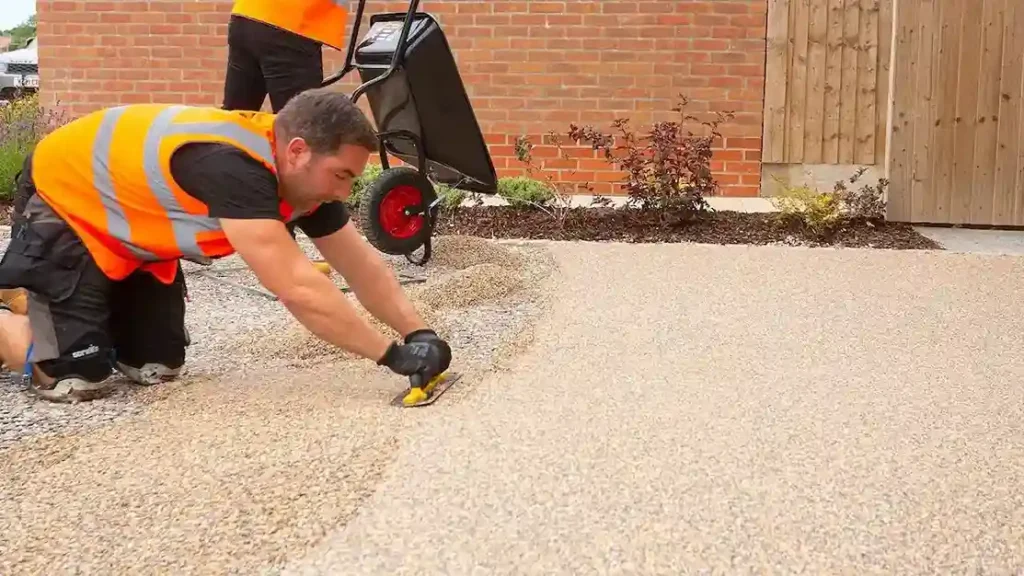
Resin-bound driveways are everywhere in Durham right now. They look smart, promise low maintenance, and claim to be fully permeable. But here is the truth. Not every resin driveway performs as advertised. I have inspected enough failed installations across County Durham to say this with confidence. Most problems do not come from the material itself. They come from shortcuts, poor groundwork, or unrealistic expectations. If you are considering resin or already have one installed, understanding the pitfalls of resin driveways could save you thousands. At Driveways Durham, we often get called in after something has already gone wrong. Let’s talk about what those issues actually look like.
1. Poor Sub-Base Preparation
Resin-bound systems are only as strong as the base underneath. If the sub-base is poorly compacted or too thin, movement will occur. When that happens, cracking follows. In one Durham case, a homeowner chose a cheaper quote from a contractor who laid resin directly over an unstable old concrete base. Within eighteen months, cracks appeared along the wheel path. The base had shifted due to frost and poor drainage.
Correct preparation should include:
- Excavation to the appropriate depth
- MOT Type 1 sub-base
- Proper compaction in layers
- A stable binder course
Skipping any of these steps creates long-term problems.
2. Incorrect Resin Mix Ratios
Resin driveways rely on a precise ratio between aggregate and resin. Too little resin and the stones become loose. Too much resin and the surface becomes brittle. We have seen driveways where loose aggregate began appearing after just one winter. That is usually a sign of poor mixing or rushed installation. Professional installers use calibrated equipment and follow manufacturer guidance. When corners are cut, durability suffers.
3. Installation in the Wrong Weather
Durham weather is unpredictable. Resin should not be laid in damp conditions or extreme cold. Moisture contamination can prevent proper curing. Cold temperatures slow chemical bonding. The result may be:
- Soft patches
- Uneven finish
- Reduced strength
- Surface discolouration
I once inspected a driveway installed during late autumn rain. It looked fine initially. Six months later, sections had started to weaken because curing was compromised.
4. Drainage and Slope Issues
Resin-bound systems are permeable. That does not mean drainage can be ignored. If the base layer is not permeable or the driveway lacks the correct slope, water may pool. Standing water weakens the base and increases freeze-thaw damage. According to UK Sustainable Drainage Systems guidance, surface water should drain effectively to prevent flooding risk. You can review official SuDS principles on the UK Government planning portal. Blocked pores can also occur if the surface becomes clogged with dirt or debris over time. Drainage design is not optional. It is structural.
5. Cracking Over Time
Cracking in resin driveways is not common when installed correctly. But it does happen.
Causes include:
- Heavy vehicles exceeding design load
- Tree root pressure
- Sub-base movement
- Expansion and contraction
In Durham’s colder months, freeze-thaw cycles increase stress on weak areas. Once a crack forms, water penetration accelerates damage. Early inspection and repair are essential.
6. Colour Fading and UV Damage
Quality UV-stable resin should resist fading. Lower-grade resin can yellow or discolour. Some cheaper installations use non-UV resin to reduce cost. The surface may look fine initially, but it gradually loses colour vibrancy. This is one of the quieter pitfalls of resin driveways. It does not affect the structure but impacts appearance and resale value. Always confirm UV stability with your installer.
7. Heavy Load Sensitivity
Resin driveways handle normal domestic vehicles well. They are not ideal for constant heavy loads such as large vans or commercial vehicles. We worked on a property near Durham city centre where daily van parking caused surface compression along one section. Over time, minor dips developed. Understanding weight limits protects long-term performance.
8. Maintenance Is Often Underestimated
Many homeowners believe resin is maintenance-free. That is not accurate.
Maintenance requirements include:
- Annual cleaning
- Removal of moss and algae
- Avoiding harsh chemicals
- Regular inspection
Blocked pores can reduce permeability. Organic growth can create slippery patches. Resin is low maintenance. It is not zero maintenance.
9. Repair Challenges
Unlike block paving, resin surfaces are seamless. That looks attractive but it complicates repairs. Patch repairs can be visible due to colour variation or aggregate batch differences. We always advise addressing small defects early to reduce visible repair areas.
10. Choosing the Wrong Installer
Resin is a specialist surface. Not every general builder understands its chemistry, curing times, or base preparation requirements.
When comparing quotes, look for:
- Proven local portfolio
- Manufacturer accreditation
- Clear sub-base specification
- Transparent material details
Driveways Durham has seen many jobs where price was prioritised over process. The result is usually costly remediation.
Are Resin Driveways Still Worth It?
Despite these pitfalls, resin remains one of the most attractive and practical driveway solutions when installed properly.
Benefits include:
- Smooth finish
- Permeability
- Modern appearance
- Low weed growth
- Long lifespan
The key is not avoiding resin. It is avoiding poor workmanship.
How to Avoid the Pitfalls of Resin Driveways
Here are practical steps:
- Verify sub-base specification in writing
- Ask about the resin brand and UV stability
- Confirm installation temperature requirements
- Check previous local installations
- Avoid quotes significantly below market rate
Resin driveway costs in the UK typically range between £50 and £90 per square metre, depending on preparation and materials. Unrealistically cheap quotes should raise concern.
Final Thoughts
The pitfalls of resin driveways are rarely about the material itself. They are about preparation, installation standards, and realistic expectations. Durham’s weather conditions demand proper groundwork and drainage. When these elements are handled correctly, resin driveways perform exceptionally well.
If you are considering installation or are concerned about an existing surface, speak with a specialist who understands local conditions. At Driveways Durham, we believe transparency prevents regret. A well-installed resin driveway can last decades. A poorly installed one can fail within years. If you want honest advice, a proper site assessment, or a detailed quote tailored to your Durham property, contact Driveways Durham today.


