
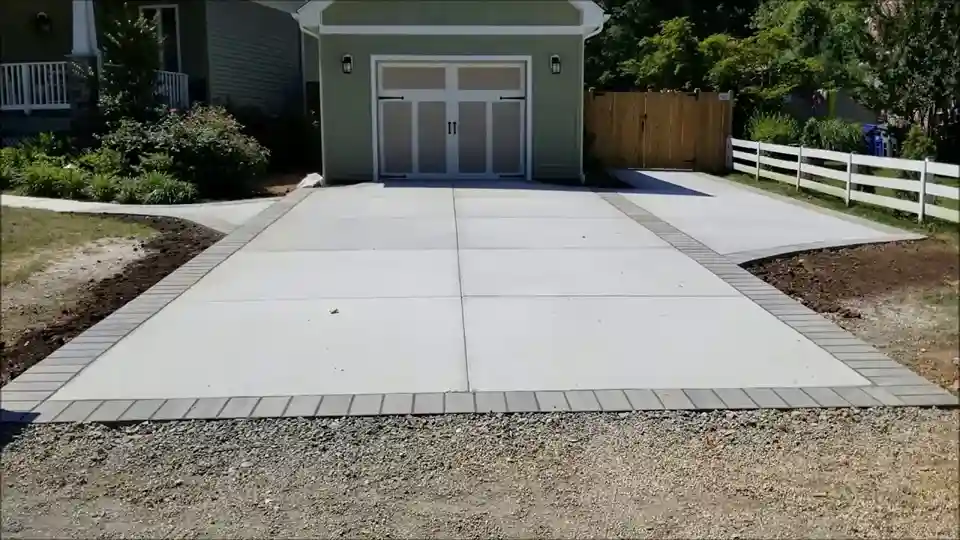
A driveway looks solid once it’s finished—smooth surface. Clean edges. Job done. That appearance can be misleading. With Driveway Installation in Durham, many of the most serious problems don’t show up straight away. They develop quietly beneath the surface, then emerge months or even years later when the damage is harder and more expensive to fix.
Incorrect driveway installation risks are not just about appearance or lifespan. They can directly affect property safety, lead to legal issues, and expose homeowners to costs they never planned for. In Durham, where drainage demands, regular traffic, and older infrastructure all play a role, these risks are amplified if installation is not done properly.
Why Driveway Installation Quality Matters for Property Safety
A driveway is part of how a property interacts with the outside world. It carries vehicle loads, manages surface water, connects to pavements, and sits close to pedestrian areas. When installation is done incorrectly, the driveway stops behaving as a controlled surface and starts creating hazards. These hazards affect not just the homeowner, but neighbours, pedestrians, and the public highway. Most safety issues trace back to shortcuts taken during groundwork or ignored regulations.
Structural Failure and Subsidence Risks
One of the most common results of poor driveway installation is structural failure. If the sub-base is too shallow or poorly compacted, the driveway will begin to sink. This leads to uneven surfaces, cracks, and dips that worsen over time. Subsidence doesn’t just damage the driveway. It creates trip hazards and destabilises access points around the property. In Durham, where clay-heavy soils are common, proper groundwork is essential. Without it, movement is almost guaranteed.
Drainage Failures and Slip Hazards
Drainage mistakes are one of the most serious incorrect driveway installation risks. Under UK driveway drainage regulations, surface water must not run onto the pavement or road. When drainage is poorly designed, water flows where it shouldn’t. This leads to standing water, slippery surfaces, and ice formation in winter. These conditions create immediate safety risks for pedestrians and drivers. They also attract attention from councils because the danger is visible and ongoing. Many enforcement cases start with a simple complaint after heavy rain.
Pavement and Kerb Damage
Incorrect driveway installation often affects areas beyond the driveway itself. Weak edges and poor transitions put extra pressure on kerbs and pavements. Over time, kerbs crack, pavements sink, and public surfaces become uneven. This turns a private installation issue into a public safety concern. Kerb installation safety is taken seriously because damaged kerbs increase trip hazards and reduce the effectiveness of road drainage. Councils judge kerbs on performance, not appearance.
Vehicle and Pedestrian Safety Issues
An uneven or poorly aligned driveway affects how vehicles enter and exit the property. Vehicles may scrape, mount pavements, or struggle to manoeuvre safely. This is particularly risky on narrow streets or near junctions, which are common in Durham. For pedestrians, uneven access points and poor kerb alignment increase the risk of trips and falls. These risks are higher for children, older people, and anyone with mobility difficulties.
Legal and Compliance Consequences
Incorrect driveway installation risks extend into legal territory. Homeowners are responsible for ensuring their driveways comply with planning, drainage, and highway rules. Failure to do so can result in enforcement action, required remedial work, or liability if an accident occurs.
In Durham, compliance and enforcement are overseen by Durham County Council. Work carried out without approval or in breach of regulations can be altered or removed at the homeowner’s expense. A common misconception is that if work is finished, it’s accepted. That is not how enforcement works.
Problems That Appear During Property Sales
Incorrect driveway installation often becomes a problem during property sales. Surveyors regularly flag drainage issues, non-compliant dropped kerbs, and visible subsidence. These findings can delay sales, reduce property value, or require retrospective approvals. Many homeowners only discover installation faults when they are already committed to moving, which is the worst possible time to deal with compliance issues.
Real Signs Homeowners Should Watch For
You don’t need specialist tools to spot potential safety risks.
Warning signs include:
- Water flowing onto the pavement after rain
- Cracks or dips forming near the house or kerb
- Loose or sinking edge blocks
- Ice forms regularly outside the property in winter
These are indicators that installation risks are already affecting safety.
Why Professional Installation Reduces Risk
Professional installers plan beyond the surface. They assess soil conditions, drainage routes, vehicle loads, and how the driveway interacts with pavements and kerbs. This reduces long-term risk and ensures compliance from the start. At Driveways Durham, we regularly assess driveways that failed not because of materials, but because regulations and groundwork were ignored. Almost every case could have been avoided with proper planning.
Local Factors That Increase Risk in Durham
Durham’s environment makes incorrect installation more noticeable. Frequent rainfall exposes drainage faults quickly. Older pavements are less forgiving of movement. Narrow streets mean small errors create bigger safety problems. Because of this, driveway installation risks in Durham tend to surface faster and lead to enforcement more often than in newer developments.
How to Protect Property Safety Before It’s Too Late
Before installing or altering a driveway, homeowners should confirm drainage compliance, check whether planning permission or dropped kerb approval is required, and choose installers who understand local conditions. If a driveway already exists, early assessment can prevent minor issues from becoming major safety risks.
Final Thoughts
Incorrect driveway installation risks go far beyond aesthetics. They affect structural stability, pedestrian safety, drainage compliance, and legal responsibility. For homeowners in Durham, understanding these risks is essential. A driveway that looks fine today can become a safety and financial problem tomorrow if the installation was done incorrectly.
The cost of getting it right at the start is almost always lower than the cost of fixing problems later. If you’re concerned about driveway safety or planning new work in Durham, Driveways Durham can assess your property and advise on compliant, long-term solutions that protect both safety and value.
Frequently Asked Questions (FAQs)
Why is professional driveway installation in Durham important?
Professional driveway installation in Durham ensures proper drainage, structural stability, and compliance with local regulations, reducing long-term safety and repair risks.
What are the most common risks of poor driveway installation?
Common risks include uneven surfaces, drainage failures, cracking, subsidence, and safety hazards for vehicles and pedestrians.
Does driveway installation in Durham need to meet specific regulations?
Yes. Driveway installation must comply with UK drainage rules, planning requirements, and highway safety standards, especially where pavements or kerbs are involved.
How can I tell if my driveway was installed incorrectly?
Warning signs include standing water after rain, cracks or dips forming, loose edging, and water running onto the pavement or road.
Can an incorrectly installed driveway affect property value?
Yes. Safety issues, drainage problems, or non-compliant work can delay property sales and reduce value due to required remedial work.


