
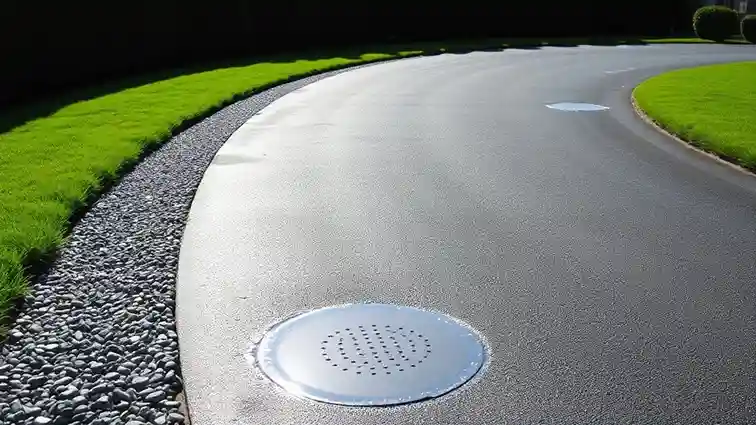
Most driveway problems don’t start with cracks or puddles. They start with assumptions. Homeowners assume a driveway is private land, that permission isn’t needed, or that a tidy finish equals compliance. In reality, UK driveway regulations exist because driveways interact directly with public spaces, drainage systems, and pedestrian safety. In Durham, where streets are often narrow and ground conditions vary, ignoring regulations is one of the fastest ways to turn a home improvement into a long-term liability.
Why UK Driveway Regulations Exist at All
Driveway regulations are not about aesthetics. They exist to manage risk. A driveway connects a private property to the public highway. Vehicles cross pavements. Water runs off hard surfaces. Pedestrians walk past entrances every day. Without rules, the result would be damaged pavements, flooding, visibility hazards, and increased accident risk. UK driveway regulations set minimum standards for safety, drainage, and access. They protect the public, but they also protect homeowners from future disputes and enforcement.
UK Driveway Planning Permission: Where Homeowners Go Wrong
One of the most common misconceptions is that driveways never need permission.
In reality, UK driveway planning permission may be required when:
- A new vehicle access is created
- A dropped kerb is installed or altered
- Surface water drains onto the pavement or road
Dropped kerbs always require approval because they modify the public highway. In Durham, this approval is handled by Durham County Council. Homeowners often assume permission can be dealt with later. Councils don’t see it that way. Retrospective approval is not guaranteed, and enforcement action can follow.
UK Driveway Drainage Regulations and Surface Water Control
Drainage is one of the strictest parts of driveway regulation, and it’s where many installations fail. UK driveway drainage regulations require that surface water from a driveway not flow onto the public pavement or highway. This is why permeable surfaces or on-site drainage solutions are often necessary. When water runs off onto the pavement, it creates slip hazards, accelerates surface damage, and contributes to local flooding. Councils take this seriously, especially in areas like Durham where rainfall is frequent. Poor drainage is rarely visible on day one. It becomes obvious over time, usually after heavy rain, when enforcement becomes more likely.
Kerb Installation Safety and Public Highway Risk
Kerbs are part of the public highway, even when they sit outside private property. Kerb installation safety standards cover load-bearing strength, alignment, gradients, and long-term stability. A kerb that looks neat but cannot handle repeated vehicle loading is still unsafe.
Incorrect kerb work can lead to:
- Cracking or sinking at the pavement edge
- Trip hazards for pedestrians
- Damage to the pavement structure
Councils assess kerbs based on performance, not appearance. Cosmetic quality does not override structural failure.
Incorrect Driveway Installation Risks Homeowners Ignore
Incorrect driveway installation rarely causes immediate problems. That’s why it’s so often underestimated.
Common long-term risks include:
- Water pooling and gradual sub-base failure
- Reduced visibility at access points
- Loose edges or uneven surfaces
- Pavement damage leading to council intervention
Once these issues appear, homeowners are often required to fund repairs or reinstatement, even if the work was done years earlier. The cost of fixing non-compliant work is almost always higher than doing it correctly in the first place.
Driveway and Kerb Safety Checks Homeowners Should Understand
While councils approve work, homeowners still carry responsibility for ongoing safety.
Basic driveway and kerb safety checks include watching for:
- Cracks or movement at the pavement edge
- Standing water after rainfall
- Changes in levels that create trip risks
- Damage caused by repeated vehicle use
Early signs of failure are easier and cheaper to address. Ignoring them increases both safety risk and legal exposure.
Why Compliance Protects Property Value and Sales
Non-compliant driveways don’t just cause physical problems. They create legal ones. Surveyors and solicitors increasingly flag driveway and kerb issues during property transactions. Missing approvals, drainage problems, or unsafe access points can delay sales or reduce property value. Compliance gives buyers confidence. It removes uncertainty and reduces the risk of last-minute complications during conveyancing.
Local Context: Why Compliance Matters More in Durham
Durham presents specific challenges. Many residential streets are narrow. Pavements are often older. Ground conditions can be clay-heavy, which increases movement over time. These factors make proper design and compliance more important, not less. Standards that might seem excessive elsewhere exist because of conditions like these. At Driveways Durham, we regularly assess driveways that fail early because regulations were treated as optional. In almost every case, the homeowner ends up paying twice.
Professional Installation and Long-Term Protection
Professional installers do more than lay surfaces. They manage compliance. They understand which permissions are required, how drainage must be handled, and how kerbs and access points should be constructed to meet safety standards. This knowledge protects homeowners long after the work is complete. Compliance is not about ticking boxes. It’s about building something that performs safely over time.
Final Thoughts
UK driveway regulations exist to prevent problems that homeowners often don’t see coming. They manage safety, drainage, and public interaction in spaces where private and public responsibility overlap. For homeowners in Durham, compliance is not an inconvenience. It’s protection. It protects your property value, your legal position, and the people who use the space every day.
Before any driveway or kerb work begins, understanding and respecting the regulations is the smartest decision you can make. If you’re planning driveway or kerb work in Durham and want clear, practical advice on compliance, speak to Driveways Durham. We focus on safe, approved, long-term solutions rather than shortcuts that cause problems later.
Frequently Asked Questions (FAQs)
What are UK driveway regulations?
UK driveway regulations are rules that govern how driveways are designed, built, and connected to public roads and pavements. They cover safety, drainage, access, and protection of the public highway.
Why is compliance with UK driveway regulations important for homeowners?
Compliance protects homeowners from legal action, enforcement notices, and costly remedial work. It also reduces safety risks, prevents drainage issues, and avoids problems when selling or insuring a property.
Do all driveway projects require planning permission in the UK?
Not all driveway work requires planning permission, but permission is usually required when installing or altering a dropped kerb, or when driveway drainage flows onto the public pavement or road.
Who enforces driveway regulations in Durham?
In Durham, driveway and dropped kerb compliance is enforced by Durham County Council, which assesses safety, drainage, visibility, and pavement impact before approving works.
What happens if a driveway does not meet UK regulations?
If a driveway is non-compliant, homeowners may face enforcement action, be required to carry out repairs, or even remove and reinstate the work at their own expense. Non-compliance can also delay property sales.
What are the main safety risks of a non-compliant driveway?
Common risks include trip hazards, poor visibility for pedestrians, water runoff onto pavements, and structural damage to kerbs or pavements. These risks can lead to liability claims against the homeowner.
How can homeowners check if their driveway is compliant?
Homeowners should check for correct drainage, stable kerbs, level access, and evidence of council approval for dropped kerbs. A professional inspection can confirm whether the driveway meets current standards.


