
Most homeowners only think about driveway and kerb regulations when something goes wrong. A failed inspection. Water is running onto the pavement. A solicitor raising questions during a property sale. By then, what felt like a simple upgrade can become an expensive problem.
Driveways and kerbs are not just private features. They interact directly with the public highway, pedestrian safety, drainage systems, and local authority rules. Understanding Driveway and Kerb Safety Standards UK is not about bureaucracy. It is about protecting your property, your finances, and the people who use the space every day.
Why Driveway and Kerb Regulations Exist in the First Place
UK driveway and kerb regulations exist to manage risk. Vehicles crossing pavements create wear, visibility issues, and potential hazards for pedestrians. Poor drainage can contribute to surface water flooding. Incorrect gradients can create trip hazards or accessibility problems. The law is designed to balance private access with public safety. That balance is enforced through planning rules, highway standards, and inspection processes. When homeowners follow these standards, problems are rare. When they don’t, enforcement action is usually a matter of time.
UK Driveway Planning Permission: What You Need to Know
Planning permission is one of the most misunderstood parts of driveway work.
In many cases, driveways themselves do not require planning permission. However, this changes when:
- You are creating a new vehicle access across a pavement
- You are altering or installing a dropped kerb
- Surface water drains onto the public highway
Dropped kerbs always require approval because they modify the pavement. In Durham, this falls under the authority of Durham County Council.
UK Driveway Drainage Regulations Explained
Drainage is one of the most strictly enforced elements of driveway regulations. UK driveway drainage regulations require that surface water from private driveways does not flow onto public pavements or roads. This is why permeable surfaces or on-site drainage solutions are often required.
If water runs off your driveway onto the highway, it can:
- Increase slip risk for pedestrians
- Contribute to local flooding
- Damage the pavement structure
Poor drainage is one of the most common reasons councils intervene after driveway work is completed.
Kerb Installation Safety and Highway Standards
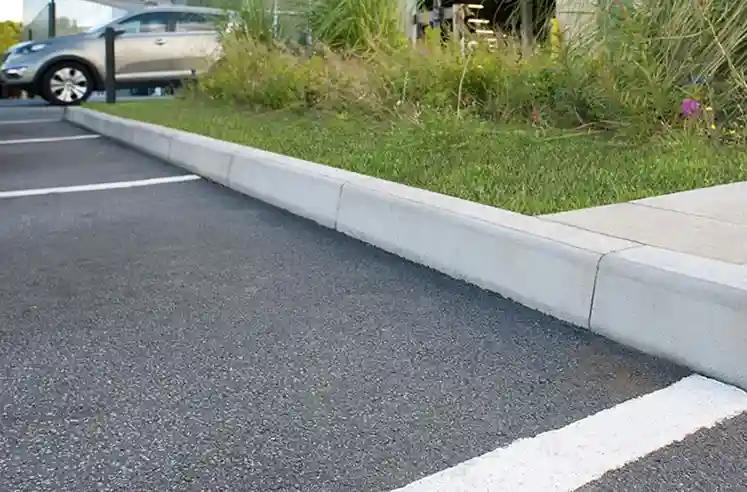
Kerbs form part of the public highway and must meet specific safety standards.
Kerb installation safety rules cover:
- Load-bearing strength
- Correct alignment and gradients
- Structural stability
- Integration with existing pavements
These standards ensure kerbs can withstand repeated vehicle loading without cracking or sinking. They also ensure smooth transitions for pedestrians, wheelchair users, and pushchairs.
A kerb that looks neat but fails structurally is still non-compliant. Councils assess performance, not appearance.
UK Driveway Regulations Compliance and Why It Matters
Compliance is not just about avoiding fines. It affects property value, insurance, and future flexibility. Surveyors and solicitors increasingly flag non-compliant driveways or kerbs during property transactions. Even long-standing installations can become an issue if they were never approved or built to standard. Compliance also protects homeowners from liability. If someone trips or a vehicle is damaged due to unsafe construction, responsibility can fall on the property owner.
The Risks of Incorrect Driveway Installation
Incorrect driveway installation risks are often underestimated because problems develop slowly.
Common issues include:
- Sinking or uneven surfaces
- Water pooling or runoff
- Cracked kerbs or pavements
- Reduced pedestrian visibility
These issues rarely appear immediately. They tend to surface after periods of heavy rain, freeze-thaw cycles, or increased vehicle use. Once defects appear, councils may require repairs or full reinstatement at the homeowner’s expense.
Driveway and Kerb Safety Checks for Homeowners
While councils handle approval and inspection, homeowners still have a responsibility to monitor safety.
Driveway and kerb safety checks should include:
- Watching for cracks or movement
- Checking for water pooling after rain
- Ensuring surfaces remain level and slip-resistant
- Making sure kerbs have not loosened or shifted
Early signs of failure are far cheaper to address than full reconstruction.
How Professional Installation Supports Legal Compliance
Professional installers do more than build surfaces. They manage compliance. They understand which standards apply, how to design for approval, and how to account for local conditions. In Durham, that includes ground conditions, pavement widths, and traffic patterns.
At Driveways Durham, we regularly assess driveways that need correction because compliance was ignored during initial installation. In most cases, the cost of fixing issues exceeds the cost of doing it properly the first time.
Local Context: Why Standards Matter More in Durham
Durham presents specific challenges. Many streets are narrow. Pavements are often older. Ground conditions can be clay-heavy. These factors increase the importance of correct design and construction. Standards that might seem conservative elsewhere exist because of situations exactly like these. Ignoring them in Durham tends to accelerate failure rather than save money.
How These Standards Protect Homeowners Long Term
Following driveway and kerb safety standards protects more than pedestrians and councils. It protects homeowners from:
- Enforcement notices
- Costly remedial work
- Sale delays or price reductions
- Insurance complications
Compliance turns driveway work into a long-term asset rather than a future problem.
Final Thoughts
Driveway and kerb safety standards in the UK are not obstacles. They are safeguards. They exist to manage shared spaces where private property meets the public highway. When homeowners understand and respect these rules, driveways last longer, perform better, and cause fewer issues. If you are planning driveway or kerb work in Durham, understanding the legal and safety framework before work begins is the smartest decision you can make. If you want clear advice on driveway or kerb compliance in Durham, speak to Driveways Durham before starting work. We focus on safety, standards, and long-term value, not shortcuts.
Frequently Asked Questions (FAQs)
What legal standards apply to driveways and kerbs in the UK?
Driveways and kerbs must comply with UK highway and safety standards covering load strength, drainage, gradients, and pedestrian safety. Any work affecting the public pavement or road must meet local authority requirements.
Do I need permission to install or alter a kerb in the UK?
Yes. Installing or altering a dropped kerb always requires approval because it affects the public highway. In Durham, this approval is managed by Durham County Council.
What are the UK driveway drainage regulations?
UK regulations require that surface water from a driveway does not flow onto the public pavement or road. Driveways must use permeable materials or on-site drainage solutions to manage runoff safely.
What are the risks of not complying with driveway and kerb standards?
Non-compliance can lead to enforcement action, fines, compulsory removal or reinstatement, safety hazards, and problems during property sales or insurance claims.
How can homeowners check if their driveway or kerb is safe and compliant?
Homeowners should look for signs like cracking, sinking, loose kerbs, or water pooling after rain. If any issues appear, a professional inspection is recommended to confirm compliance and safety.


