
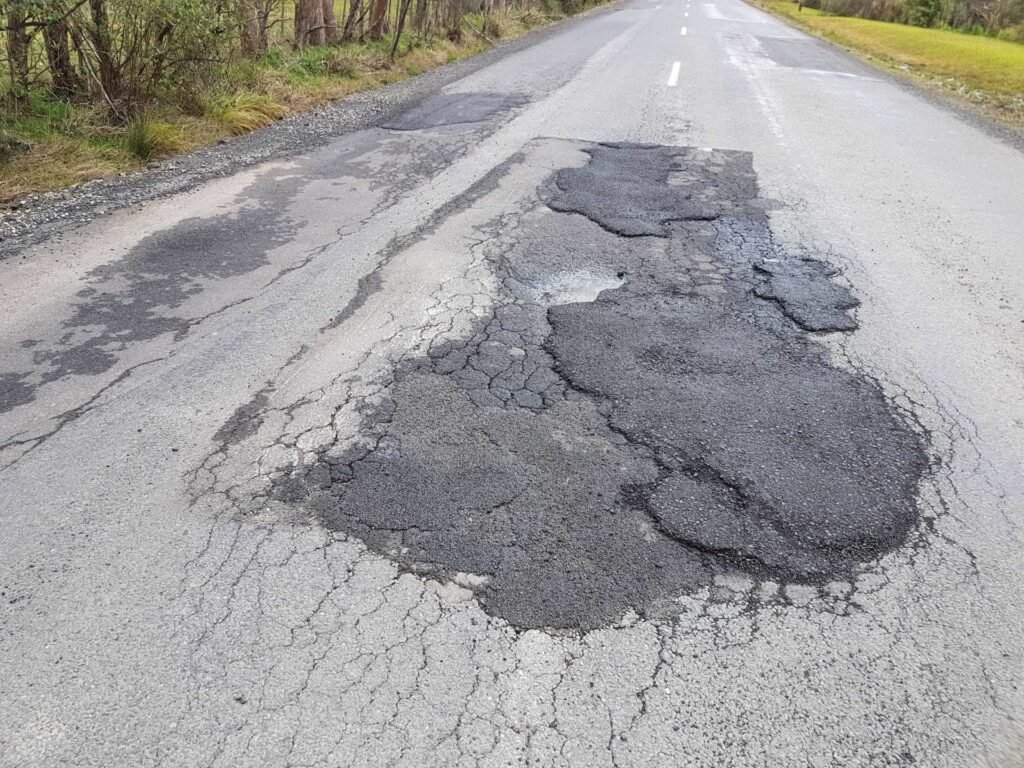
A well-maintained tarmac surface adds aesthetic value and durability to driveways and pathways. However, over time, direction to trying weather, heavy vehicles, and regular wear can lead to damage. Identifying early notice signs of damage is important to prevent expensive replacements. This guide explains how to determine when you need Tarmac Repairs in Durham, helping you maintain your property’s request and safety.
Why Tarmac Surfaces Deteriorate
Tarmac, although durable, is not immune to damage. In Durham, the fluctuating weather—cold winters, rainfall, and UV direction—gradually breaks down the surface. Over time, water seeps into cracks and freezes, pushing the material to develop and contract. This process weakens the structure, leading to visible damage that requires prompt engagement.
Heavy vehicles parked always in the same areas can also create indentations or weaken certain sections. Without regular maintenance, small issues can escalate, resulting in the need for full tarmac drive repair in Durham.
Early Signs Your Tarmac Needs Attention
Identifying the early signs of damage can save you time, money, and hassle. Below are common indicators that your tarmac surface might need repairs:
1. Cracks and Fractures: One of the first signs to watch out for is small gaps. These may seem innocuous initially but can widen as water seeps in and freezes. Left lawless, cracks can develop into potholes.
2. Potholes: Potholes are more than just unsightly; they can pose hazards to vehicles and pedestrians. If you notice any depressions forming in your driveway or path, it’s a strong needle that your tarmac surface needs repairing.
3. Loose Aggregates: If stones or gravel come loose from the tarmac, this means wear. It implies the binder is no longer holding the surface together, which compromises the strength and build of your driveway.
4. Faded Appearance: Direction to UV rays can cause the tarmac to fade from deep black to dull grey. While colour change alone isn’t always a sign of severe damage, it often means the surface is becoming brittle and may soon crack.
5. Drainage Issues: Pooling water on your tarmac suggests the surface is no longer level. Poor drainage can lead to more significant issues, as water left standing will seep into cracks and decline them.
Common Causes of Tarmac Damage in Durham
Several factors contribute to the deterioration of tarmac surfaces in Durham, including:
- Weather Conditions: Freeze-thaw cycles during Durham’s winters can rapidly spoil tarmac surfaces.
- Heavy Loads: Regular parking of vehicles like vans or trains can stress the tarmac, causing it to weaken over time.
- Poor Installation: If your tarmac was not installed by experienced professionals, it may fail sooner than expected.
- Lack of Maintenance: Skipping regular maintenance, such as sealing, can accelerate wear and tear.
The Benefits of Timely Tarmac Repairs
Addressing minor issues early provides several benefits:
- Cost-Effective: Early repairs are often inexpensive compared to the cost of resurfacing an entire driveway.
- Safety: Fixing cracks and potholes reduces the risk of trips and falls.
- Aesthetic Appeal: A smooth clean tarmac Driveway Service in Durham enhances the curb appeal of your property.
- Longevity: Proper repairs extend the life of your tarmac surface.
When to Call the Professionals
While some minor maintenance tasks can be DIY, larger repairs or extensive damage require professional attention. Driveways Durham offers experienced services for tarmac drive repair in Durham, ensuring durable and high-quality results.
Contact professionals when:
- Potholes are deeper than an inch.
- Large areas of the tarmac have come loose.
- Water pooling becomes a persistent issue.
- The surface is showing signs of widespread cracking.
A professional can assess the extent of the damage and recommend the best solution, whether patching, resurfacing or a complete replacement.
You May Also Read: What Causes Potholes to Form on Tarmac Surfaces?
Preventative Measures to Prolong Tarmac Life
Preventative maintenance can significantly extend the life of your tarmac surface:
- Regular Cleaning: Remove debris, leaves, and oil stains promptly.
- Seal Coating: Applying a sealant every 3-5 years protects against UV rays and water damage.
- Prompt Repairs: Fix minor cracks before they widen.
- Weight Management: Avoid parking overly heavy vehicles in the same spot repeatedly.
Conclusion
Specifying the need for tarmac repairs early on can save money and prevent larger problems from developing. Watch for cracks, potholes, loose total fading and drainage problems on your driveway. If you notice any of these signs it’s best to consult professionals like Driveways Durham, who specialize in high-quality tarmac drive repair in Durham. By acting promptly and scheduling regular maintenance, you can preserve the look and safety. And fthe unction of your tarmac surfaces for years to come.
Frequently Asked Questions (FAQs)
How often should a tarmac driveway be resurfaced?
On average, a well-maintained tarmac driveway lasts 15-20 years before resurfacing is necessary. Regular maintenance, such as sealing cracks and applying a protective coat, can extend lifespan.
What is the best time of year for tarmac repairs in Durham?
Spring and summer are ideal times for tarmac repairs, as warm weather helps the materials cure and set properly. However, professionals can perform repairs year-round if the weather permits.
How long do tarmac repairs take?
Most minor repairs, such as filling cracks or patching potholes, can be completed within a day. Larger resurfacing projects may take a few days, relying on the size and shape of the exterior.
Is it cheaper to repair or replace a tarmac driveway?
Repairs are generally more cost-effective when the damage is localized or minor. If the driveway shows widespread wear or structural failure, replacement may be the better long-term investment.
How can I tell if my tarmac driveway needs sealing?
If the surface looks faded or brittle, or if water is no longer beading on the surface, it’s time for resealing. Sealing helps protect the tarmac from water and UV damage, prolonging its life.


