
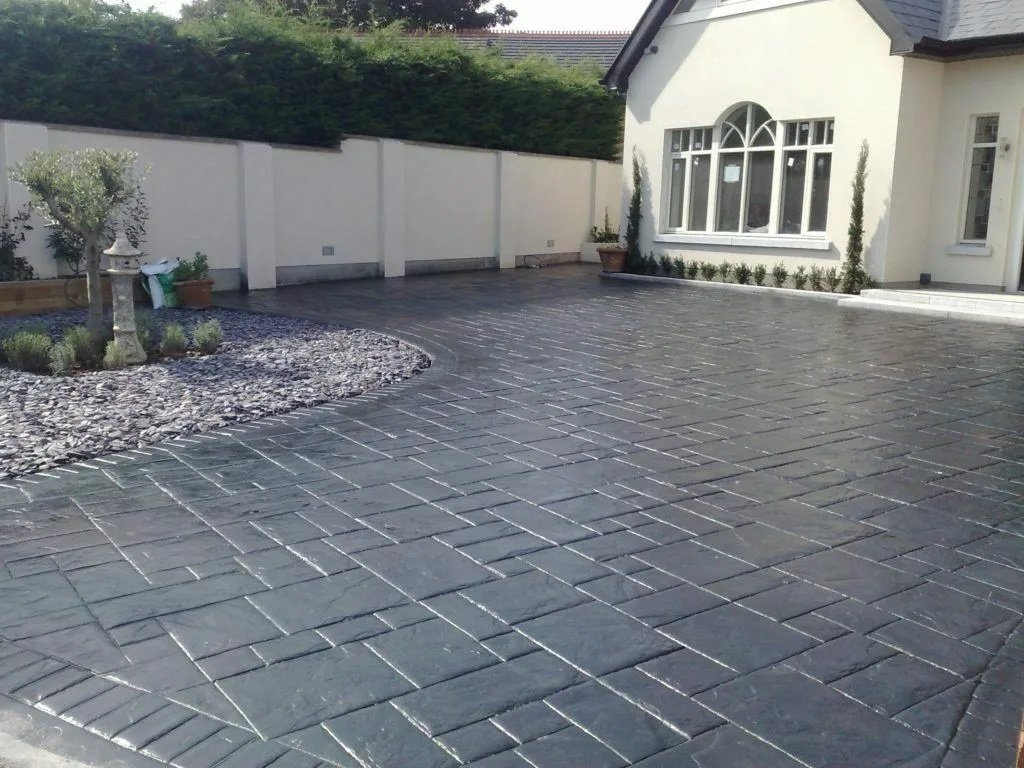
Most homeowners ponder between resin-bound surfaces and imprinted concrete when they need a new driveway or patio. Both these surfacing materials come with a durability-and-looks package, but cost encases a bigger browsing factor. The alternative in Durham as regards resin or Pattern Imprinted Concrete in Durham depends on certain determinants including the installation process long-term maintenance and the lifespan of the surface. This article therefore takes you through the cheese costs and benefits of each option to assist you in decision-making.
Understanding the Costs: Resin vs. Imprinted Concrete
The cost of installing a driveway ranges established on aspects like area size design intricacy and labor expenses. Below is a analysis of both fabrics in terms of price and value.
Imprinted Concrete Costs
Strength and beauty are the main reasons for the popularity of pattern imprinted concrete. This technique includes pouring a concrete slab, stamping a design into the wet surface, and sealing it against all wear and tear. The cost for imprinted concrete usually goes between £70–£100 depending on design and finish. This covers costs for preparation, materials, and labor. Although the initial cost is a bit high, imprinted concrete Durham requires resealing every 3–5 years to keep looking good, therefore further adding to the costs in the long run.
Resin Driveway Costs
Resin Driveways Service in Durham are created by mixing aggregates with resin into a type of smooth-and-porous surface. It makes a great choice for aesthetics, as well as drainage. Variations in price of resin driveway depend on the resin used (UV-stable or non-UV-stable) and the quality of the aggregates used. On average, a resin-bound surface will cost between £40 and £90 per square meter, competing well with imprinted concrete. Although it might appear to be a cost-effective option in the beginning, such costs as sub-base preparation and types of resin will affect the overall price.
Durability and Maintenance
Properly installed imprinted concrete is strong and long-lasting but prone to cracking when not rightly installed. It requires periodic resealing, which prevents color fading and also surface wear. Repairs can be expensive because of how difficult it is to match.
Both resin and imprinted concrete will have their unique requirements in maintenance and durability expectations. Whereas Resin Driveways are engineered to be much resistant that cracks and weeds do not penetrate easily, they wear down quickly in high traffic areas within a long period, while the colors may also fade due to UV rays. Regular jet washing and occasional reapplication of the resin will suffice for maintenance.
Installation Process Comparison
Induction time and complexness can impact the total cost of a driveway.
The imprinting of concrete takes time from excavation to pouring and stamping to sealing. Then, the curing may require a few days during which the driveway cannot be put to use. Resin driveways are relatively faster, as they can often be completed in 48 hours depending on weather conditions. The resin is poured over a prepared base, thus limiting installation delays.
You May Also Read: Resin Bound Paving Installation Requirements in Durham
Which is the Cheaper Option?
In Durham, choosing between resin and imprinted concrete depends on allocation rules and long-term anticipations.
- Initial Cost: Resin driveways are generally more affordable to install than imprinted concrete especially for shorter areas.
- Long-Term Expenses: Imprinted concrete requires resealing every few years while resin driveways may need periodic top-ups to maintain their quality.
- Repairs and Maintenance: Resin is easier to repair and maintain compared to impressed concrete, which can be expensive to fix if gaps occur.
Conclusion
Between resin and imprinted concrete paving in Durham, one can narrow down their choices depending on budget, maintenance preferences, and aesthetic goals. Whereas resin is low in initial expenditure and requires minimal upkeep imprinted concrete can be said to have a longer life, and it is widely used for decorative purposes. Therefore, if affordability and ease of maintenance are your two considerations, resin would be best for you. Conversely, if durability and aesthetics are high in your list, then impressed concrete would be your best choice. For a professional installation talk to Driveways Durham to achieve the desired finish of high quality that suits your needs.
Frequently Asked Questions (FAQs)
Which driveway material lasts longer resin or imprinted concrete?
Imprinted concrete can last 25–30 years with proper maintenance while resin driveways typically last around 15–20 years. Regular upkeep can extend their lifespan.
Can resin driveways handle heavy vehicles?
Yes, high-quality resin-bound driveways can support heavy vehicles but they require a well-prepared sub-base to prevent sinking or shifting.
Does imprinted concrete crack easily?
While imprinted concrete is durable, it can crack due to ground movement or improper installation. Sealing and professional installation help reduce the risk.
Which option offers better drainage?
Resin driveways are permeable, allowing water to drain through reducing the risk of flooding. Imprinted concrete requires proper drainage planning to avoid water pooling.
What is the best choice for a low-maintenance driveway?
Resin driveways require less maintenance compared to imprinted concrete, which needs resealing every few years. If ease of maintenance is a priority, resin is a better option.


